

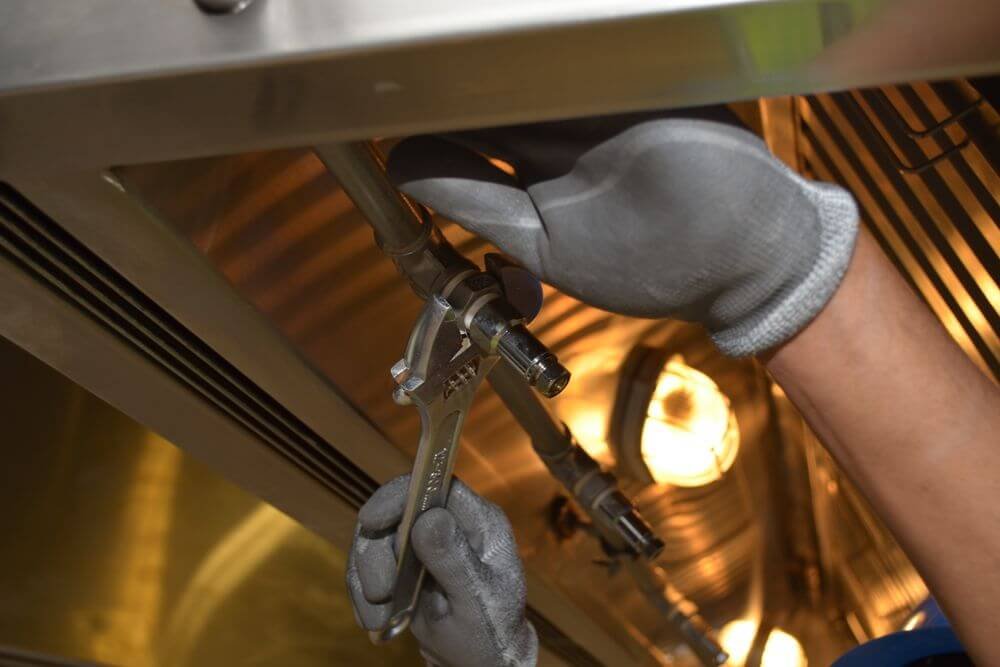
Residents and property managers in Midtown Atlanta high-rises know that a single unnoticed water leak can trigger cascading problems, from stained ceilings to warped floors or even compromised structural supports. In multi-story buildings where hundreds of residents and businesses rely on a vast network of pipes, undetected leaks often travel between units, causing damage that is both costly and disruptive. This risk is compounded by Atlanta’s humid subtropical climate, which accelerates the growth of mold and mildew following even minor plumbing leaks. As a result, annual professional leak repair is not just a preventative option—it’s a mandated process to safeguard both property value and occupant safety in Midtown’s high-rises.
Annual leak inspections and repairs are woven into building management routines for these properties. Without them, even a small plumbing issue in a single unit can escalate into a major problem affecting dozens of homes or businesses. The question is no longer if proactive leak maintenance is necessary, but how it is best implemented to protect Midtown’s dense, vertical communities.
Structural Integrity Risks in Midtown Atlanta High-Rises
One of the core concerns for high-rise buildings in Midtown Atlanta is the threat that hidden leaks pose to structural integrity. Water intrusion doesn’t just stain drywall; it seeps into concrete slabs, corrodes steel reinforcements, and weakens load-bearing elements. Many high-rises utilize post-tensioned concrete slabs—a construction method where steel cables are embedded in concrete for strength. When leaks are left unaddressed, water can find its way to these cables, causing corrosion that is difficult and expensive to remediate.
Addressing these risks requires more than patchwork fixes. Professional contractors use moisture meters and thermal cameras to identify hidden leaks behind walls or under floors before they compromise the building’s skeleton. According to moisture intrusion detection methods, these specialized tools are necessary for multi-story concrete structures where water migrates in unpredictable patterns.
Annual inspections and targeted repairs help maintain the building’s original integrity, reduce the risk of catastrophic failures, and preserve the long-term value of Midtown Atlanta’s high-rise properties.
Annual Leak Detection Protocols for Urban Property Management
Midtown Atlanta property managers rely on standardized leak detection protocols because the complexity of high-rise plumbing systems far exceeds that of single-family homes. These protocols include scheduled checks of risers (vertical pipes supplying water to multiple floors), common-area restrooms, and in-unit fixtures such as shutoff valves and water heaters. For example, during annual maintenance, technicians may pressure-test the system to identify slow leaks that are not yet visible but could cause water loss or damage over time.
Annual professional leak repair is handled by teams skilled in commercial plumbing services Atlanta high-rises depend on, ensuring every part of the plumbing network is evaluated and serviced according to a strict checklist. When a leak is found—whether it’s a small drip from a corroded pipe joint or a hidden pinhole in a pressurized line—property managers schedule immediate repairs to prevent escalation.
For those managing Midtown buildings, arranging Leak Repair in Atlanta, GA is a routine part of responsible ownership. This annual process minimizes unplanned downtime and upholds the safety standards expected in these densely occupied properties.
Regulatory Compliance and Liability Mitigation in Atlanta
Property owners and managers in Midtown Atlanta face strict obligations under both local plumbing codes and insurance requirements. Annual leak inspections are often mandated as part of building maintenance plans to ensure compliance with Atlanta’s building regulations. These rules are in place to protect the health and safety of residents, as undetected leaks can lead to mold growth, electrical hazards, and even elevator malfunctions if water reaches mechanical shafts.
Failing to comply with these requirements exposes building owners to legal and financial risks. Insurance policies may limit coverage or deny claims if water damage is traced back to neglected maintenance. The City of Atlanta’s property codes specify minimum maintenance standards, including the upkeep of plumbing systems to avoid occupant complaints and regulatory penalties.
Documenting annual inspections and repairs is a key aspect of property maintenance record-keeping for high-rise management. This documentation can be critical if a dispute arises or if regulatory agencies request proof of compliance.
Long-Term Financial Impacts of Neglected Water Damage
Ignoring annual leak repair can lead to severe financial consequences for Midtown high-rise owners. When a minor leak persists, it can result in extensive water damage across multiple units, forcing large-scale renovations and sometimes even temporary evacuations. The cost of emergency repairs and restoration services far exceeds that of routine maintenance and planned repairs.
Regular service from commercial plumbing services Atlanta high-rises require can help avoid these unexpected expenses. Annual inspections spot issues early, allowing for targeted repairs before extensive damage occurs. Early intervention also reduces the likelihood of insurance claims, which can raise premiums or result in policy exclusions after repeated incidents.
Budgeting for yearly leak detection and repair is a proactive strategy that protects the investment value of Midtown’s high-rises and ensures uninterrupted occupancy for residents and businesses.
Conclusion
Building owners and managers in Midtown Atlanta should schedule annual professional leak inspections and repairs as a standard part of their maintenance plan. Proactively addressing leaks preserves structural integrity, keeps properties compliant, and prevents avoidable financial losses. For long-term protection, make yearly leak repair a non-negotiable calendar event.