

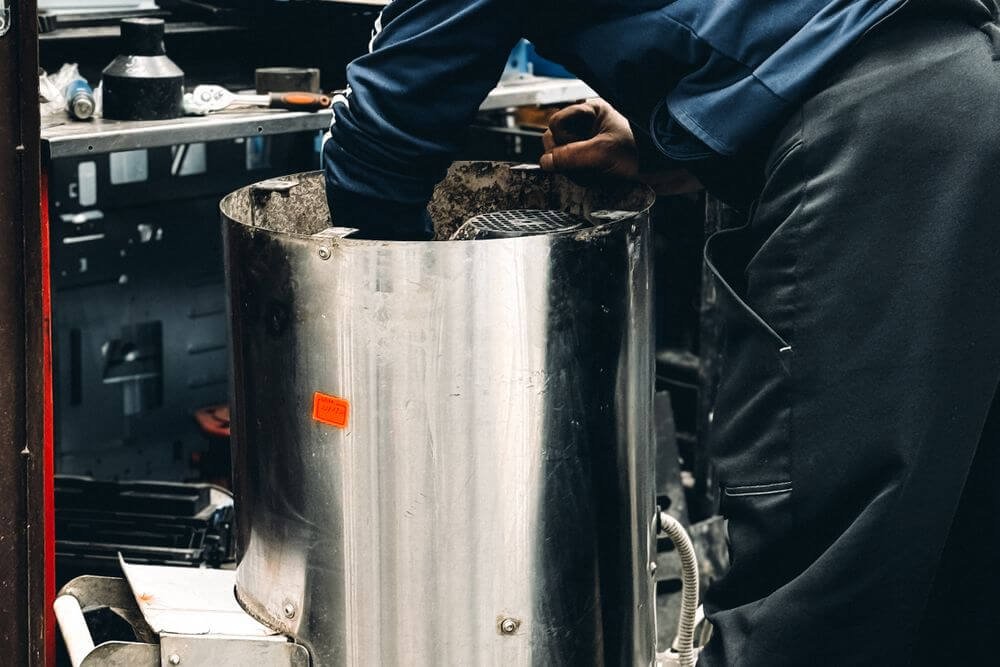
Downtown Fort Lauderdale restaurant owners face a daily challenge: keeping commercial kitchens running without surprise shutdowns. A common culprit behind sudden closures is a clogged or overflowing grease trap. These devices, installed under sinks or in basements, capture fats, oils, and grease (often called FOG) before they reach city sewers. When they are neglected, blockages can back up wastewater, cause foul odors, and attract unwanted inspections from city health officials. For owners relying on local drain cleaning providers, understanding proactive maintenance is the difference between smooth operation and a costly, reputation-damaging emergency. Regular attention to grease traps—paired with clear protocols—keeps kitchens compliant, safe, and open for business.
Commercial Grease Trap Maintenance Strategies for Downtown Fort Lauderdale Restaurants
Choosing the right size and type of grease trap is the foundation for effective maintenance. Most Fort Lauderdale restaurants use either an under-sink unit for small-scale operations or a larger in-ground interceptor for higher volume kitchens. The correct model depends on kitchen capacity and menu type, as certain cuisines generate more fats and oils. After installation, a regular schedule for commercial grease trap cleaning Fort Lauderdale ensures the trap never reaches its maximum holding capacity, which can cause rapid blockages.
Physical inspection is just as important as scheduled cleaning. Staff should monitor for slow-draining sinks or persistent odors, both of which signal a trap needing immediate attention. Local regulations often set specific requirements for grease trap maintenance and documentation, so keeping a cleaning log is a smart practice. Restaurants that stay ahead of these regulations avoid fines and unplanned downtime. Detailed guidance on grease trap size and maintenance frequency is available from municipal authorities.
Proper training for kitchen staff is often overlooked. Employees who understand the importance of scraping plates and disposing of oil in designated bins reduce the load on grease traps, extending their life and effectiveness. This team approach minimizes the risk of sudden backups and ensures maintenance routines are consistently followed.
Emergency Prevention Protocols for Local Food Service Establishments
Having a clear emergency prevention plan can stop a minor grease trap issue from escalating into a kitchen closure. Protocols should include daily inspections of visible traps and floor drains, as well as immediate response steps if water starts backing up. Staff must know which valves to shut and who to contact for urgent service. Posting a checklist in the kitchen helps reinforce these habits.
Restaurants relying on a Drain Cleaning Service in Fort Lauderdale, FL should keep service contact information easily accessible and confirm response times before an emergency ever occurs. These companies use specialized equipment, such as high-pressure water jetting, to clear severe obstructions that routine cleaning cannot handle. Consistent communication with the service provider ensures they understand the kitchen’s typical flow and can respond quickly if an incident happens. When emergencies are managed promptly, business disruption is minimized.
Emergency prevention also depends on understanding the root causes of blockages. For example, installing screening baskets in sink drains and regularly checking outdoor grease interceptors help catch problems before they reach critical levels. Resources describing emergency grease trap protocols can help owners standardize their response plans.
Professional Drain Cleaning Service Standards in Fort Lauderdale
Reputable drain cleaning providers in Fort Lauderdale adhere to both city and state guidelines for the removal, transport, and disposal of grease trap waste. These standards protect not only the restaurant but also the local environment, preventing illegal dumping and pollution in waterways. Before engaging a service, restaurant owners should verify providers are licensed and that waste is disposed of at approved facilities.
Routine service agreements offer more than emergency response. Professional cleaning companies often provide detailed inspection reports after every visit, outlining the condition of the grease trap and noting any potential issues, such as deteriorating seals or signs of corrosion. These reports can be required during local health inspections, streamlining compliance and record-keeping.
The technology used also matters. Some providers offer remote monitoring options or detailed photographic documentation, making it easier for owners to track maintenance without being physically present. Understanding the best practices for commercial grease trap cleaning Fort Lauderdale helps owners choose a company that matches their operational needs and compliance obligations.
Long Term Operational Efficiency for Grease Management Systems
Efficient grease management is not just about avoiding emergencies—it’s about optimizing daily operations. Well-maintained grease traps reduce the risk of slow drains, unpleasant odors, and unscheduled closures. Over the long term, this stability supports staff morale and customer satisfaction, while also protecting plumbing infrastructure from costly damage.
Integrating grease management with other routine maintenance tasks, such as deep cleaning kitchen floors and maintaining appliance filters, can streamline operations. When all systems are regularly checked, small issues are resolved before they become major repairs, saving money and downtime.
Some restaurant owners also explore the benefits of enzyme-based drain treatments, which can help break down residual grease between professional cleanings. However, local regulations may restrict certain additives, so it’s important to confirm which products are allowed in Fort Lauderdale. Investing in ongoing staff training ensures that everyone remains alert to warning signs, contributing to a culture of prevention and efficiency.
Conclusion
Proactive commercial grease trap cleaning Fort Lauderdale combined with clear emergency protocols and a strong partnership with a local drain cleaning professional keeps kitchens running smoothly. Restaurant owners should assess their current maintenance schedule and emergency response plan today, ensuring both comply with local rules and meet the demands of a busy downtown Fort Lauderdale kitchen.