

Nobody plans to replace a roof for fun. It is a big job and a big expense, so it is natural to put it off. But waiting too long can lead to leaks, damaged insulation, and higher repair bills. The trick is knowing when a patch is enough and when a new roof is the smarter move.
This guide covers seven clear signs it is time to replace, what the process looks like from the first inspection to the final cleanup, and how to choose the right team for the job.
Why San Antonio Roofs Age Fast
South Texas is tough on roofing. Summer heat often stays above 95°F for weeks, and a dark roof can get far hotter than the air around it. That heat dries out shingles, hardens sealants, and makes materials expand and contract every day. Add hail, strong wind, and heavy spring rain, and even a well-built roof can wear out sooner than expected.
Most asphalt shingle roofs start to struggle somewhere between 15 and 25 years, depending on materials, ventilation, and storm history. Your own roof may be different, which is why a real inspection beats guessing.
7 Signs It Is Time to Replace Your Roof
- Your roof is near the end of its lifespan. If it is in that 15 to 25 year range and showing other problems, replacement is worth a serious look.
- Shingles are curling, cracking, or missing. Curled or cracked shingles no longer shed water well, and missing ones leave the layer underneath exposed.
- Granules are collecting in your gutters. Those small bits of grit protect shingles from the sun. When they wash away in large amounts, the shingles age fast.
- You have leaks in more than one place. One leak can be a single failed spot. Several suggest the whole roof system is wearing out.
- The roof sags or feels soft. Sagging lines or spongy areas can mean rotted decking, which needs attention quickly.
- Daylight or moisture shows in the attic. Light coming through the boards, damp insulation, or dark stains point to water getting in.
- Your cooling bills keep climbing. Worn roofing, poor ventilation, and wet insulation all make your air conditioner work harder.
Repair or Replace?
A single leak or a few storm-lifted shingles can often be solved with a repair. A good roof repair San Antonio homeowners schedule early may add years to an otherwise healthy roof. But repeated patches on an aging roof add up, and at some point you are paying for fixes that do not last.
Replacement usually makes more sense when:
- The roof is near or past its expected lifespan
- Damage is widespread rather than in one spot
- Leaks keep returning in different places
- Decking is soft or rotted
If the time is right, a full roof replacement San Antonio homeowners complete before storm season can protect the home through the hardest months. If leaks are your main worry, you can also see how a similar problem is handled in roof leak repair in Austin.
What to Expect During a Roof Replacement
Knowing the steps helps you plan and ask better questions:
- Inspection and estimate. A roofer checks the roof, attic, and decking, then gives you a written quote.
- Material and color choices. You pick shingles, metal, or another system and a color that suits the home.
- Permits and scheduling. Your contractor handles permits and picks a weather-friendly date.
- Tear-off and deck repair. Old roofing is removed, and any damaged decking is repaired or replaced.
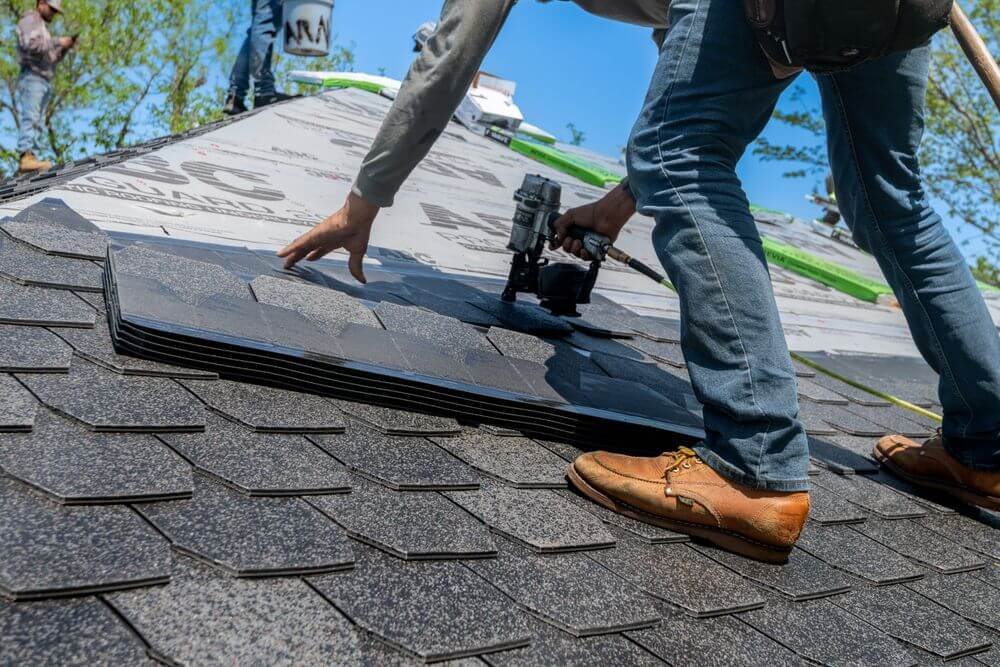
- Installation. Underlayment, flashing, ventilation, and the new roof are installed carefully.
- Final inspection and cleanup. The crew checks the details, sweeps the property for loose nails, and goes over the warranty with you.
Many home roofs take a few days, though larger or more complex roofs take longer. Ask for a written timeline before work starts.
Choosing the Right Material
Architectural shingles are the most common choice. They are thicker and more wind resistant than basic shingles, and they come in many colors. Metal roofing costs more upfront but can last decades longer and reflects more heat.
If summer cooling bills worry you, ask about cool-rated shingles or reflective finishes. A cool roof sends more sunlight away from the house, which can keep the attic cooler and reduce strain on your air conditioner.
What Affects the Cost
Every roof is different, so no two quotes look the same. These factors have the biggest effect:
- Roof size and pitch
- Material and color choice
- The number of old layers to remove
- Decking repairs found during tear-off
- Roof details such as valleys, chimneys, and skylights
- Permits and debris disposal
Get a line-by-line written estimate and compare the scope, not just the total.
How to Choose a Roofing Company
The contractor matters as much as the material. Look for these points:
Licensing and insurance. Ask for proof of liability and workers’ compensation coverage.
Local experience and references. A team that works in the area every day knows local weather and codes.
Written estimates. Quotes should list materials, labor, timeline, and warranty terms.
Strong warranties. Look for coverage on both materials and workmanship.
Clear communication. You should get prompt callbacks and plain answers.
To see what an experienced local team offers, visit this page for a roofing company in San Antonio, TX.
Final Thoughts
A new roof is a big decision, but the signs are usually clear if you know what to look for. Check the age, the shingles, the attic, and the leaks, then get a real inspection and a few written estimates. With the right plan and the right team, your new roof will protect your home for many years. For more roofing options and services, visit the Cool Roofs homepage.