

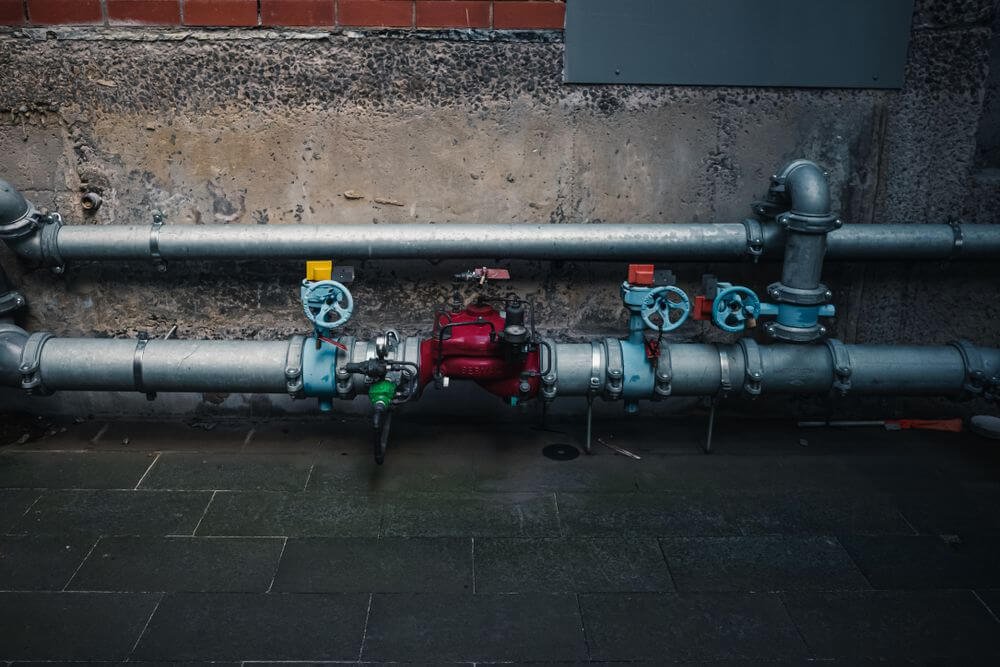
Facility managers and building owners are often surprised by a notice of violation from the local water authority, warning of potential cross-contamination issues within their property’s plumbing system. Such notices are not just bureaucratic paperwork—they often signal a failure in backflow prevention assemblies, which, if left unchecked, can lead to unsafe drinking water and hefty fines. The core issue is straightforward: without regular, professional testing of these assemblies, commercial properties risk breaking compliance with municipal codes and state regulations. Testing as part of commercial backflow prevention services detects malfunctions in devices that keep contaminated water from flowing backward into clean supply lines. This process is a non-negotiable requirement for any business that wants to avoid legal and financial penalties while maintaining a safe facility.
Understanding the details of why and how these assemblies are tested, as well as the consequences of neglect, is key for anyone responsible for a commercial building’s water safety. From regulatory demands to routine protocols, each step exists for one clear reason: to prevent contaminated water from endangering occupants and the community, and to shield businesses from unnecessary financial loss.
Commercial Backflow Assembly Testing Basics and Regulatory Compliance
Backflow prevention assemblies are devices installed in commercial plumbing systems to stop water from flowing in the wrong direction. Testing these assemblies is not a one-time task but a recurring requirement mandated by local health and water authorities. The process involves using specialized gauges and equipment to measure pressure and valve operation, ensuring the backflow preventer can reliably block contaminated water from entering the city’s potable supply.
Most municipalities require annual testing for commercial properties, and a certified technician must submit official test results to the governing agency. Failure to comply with these mandates can result in immediate fines or orders to shut down water service until the issue is resolved. Details about annual backflow testing requirements are typically available through city or county regulatory websites, outlining the steps businesses must take to remain compliant.
Because regulations often specify the type and frequency of testing, choosing a service provider familiar with local codes is necessary. Commercial backflow prevention testing is not just about equipment—it is about staying on the right side of the law and protecting public health.
Mechanics of Cross-Contamination Risks in Commercial Plumbing Systems
Cross-contamination in a commercial plumbing system occurs when a backflow event allows polluted water from irrigation lines, fire sprinkler systems, or industrial equipment to mix with the clean drinking supply. This can happen if a sudden drop in water pressure, such as during a line break or hydrant use, causes water to reverse direction and bypass a faulty backflow preventer.
Routine testing identifies worn seals, stuck check valves, or debris buildup that might compromise an assembly’s function. For example, high-rise buildings and restaurants with soda fountains often have multiple backflow assemblies protecting different parts of the plumbing system. A single failed device can create an entry point for contaminants like fertilizers or cleaning chemicals.
Guidelines for preventing cross-connection hazards in commercial facilities emphasize the importance of regularly scheduled inspections. Detecting and repairing a faulty assembly before contamination occurs is the most effective strategy for risk management.
Financial Impact of Municipal Fines and Water Safety Violations
Ignoring assembly testing can have immediate financial consequences. Municipal water authorities monitor compliance closely, and missing a required test often triggers automatic fines. These penalties vary by location but can escalate quickly if violations are not addressed.
For a practical example, a food processing facility may receive a citation after a failed inspection reveals an untested backflow device. On top of the initial fine, the business may face additional costs for emergency repairs, water sampling, and even temporary closure while the issue is fixed. The risk of civil liability also increases if a contamination incident leads to illness or environmental harm.
Arranging for Commercial Backflow Services with regular testing schedules is a straightforward way to avoid these fines. Businesses that stay proactive with compliance measures are less likely to encounter surprise expenses tied to water safety violations.
Implementing Routine Prevention Protocols for Facility Protection
Establishing a protocol for commercial backflow prevention testing involves more than just annual checkups. Facilities often keep organized records of all test results, repairs, and upgrades to demonstrate compliance if questioned by regulators. These records also help track recurring problems or aging equipment that may need replacement before it fails.
Facility managers can use digital scheduling tools or maintenance software to set reminders for upcoming tests, ensuring no deadlines are missed. Staff should be trained on what signs of backflow failure look like—such as unexplained drops in water pressure or visible leaks—so issues are reported and addressed quickly.
Integrating routine testing into facility maintenance plans reduces the risk of cross-contamination events and the resulting financial penalties. A well-documented and systematic approach to backflow testing is a best practice for any commercial property concerned with regulatory compliance and public safety.
Conclusion
Setting up a recurring schedule for professional backflow assembly testing is the single most effective way for commercial property managers to prevent contamination issues and avoid fines. Review your facility’s last inspection report, confirm test deadlines, and partner with a qualified backflow service provider to keep all assemblies in compliance and your business protected.